Contactors, terminal blocks, and controls, resolved down to the rated spec.
Voltage, current, enclosure rating, and termination type read off a callout as structured fields, not a part number your team has to decode.
From a raw callout to a priced quote line.
A control-panel component list, resolved line by line.
A panel-build RFQ mixes contactors, terminal blocks, and a disconnect switch, each called out with different conventions. Camber resolves voltage, current rating, enclosure rating, and termination type as structured fields regardless of how the line was originally written.
NEMA and IP ratings, matched to the environment stated in the RFQ.
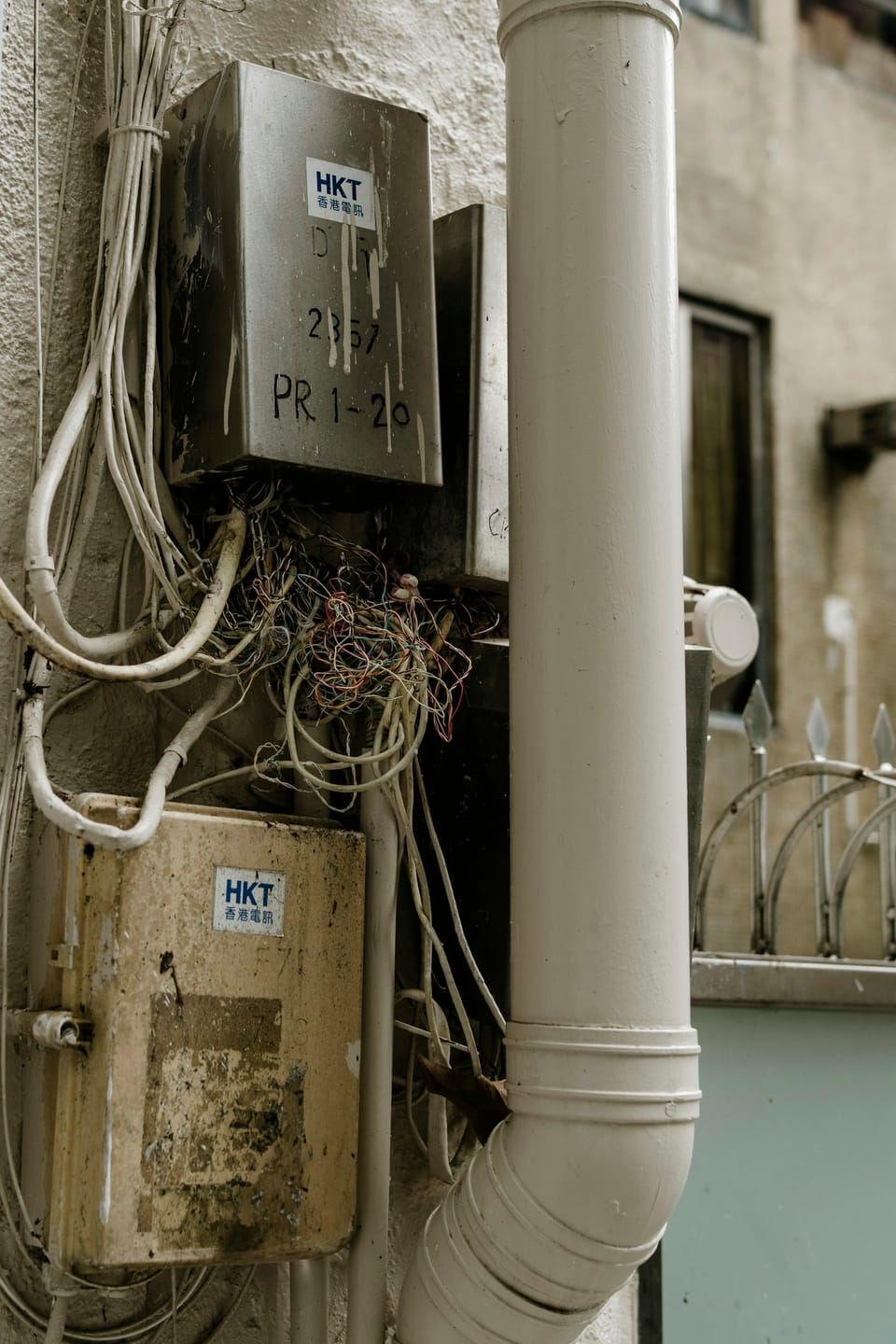
A NEMA 4X enclosure and an IP66 enclosure aren't automatically the same thing, even though they're often treated as interchangeable on a hand-written spec. Camber resolves the stated rating and flags where a NEMA-to-IP cross-reference is an approximation rather than an exact equivalent.
Where an RFQ describes an environment (washdown, corrosive, outdoor, hazardous location) without naming a rating, Camber surfaces the implied requirement so a rep can confirm it rather than guess.
Contactors, relays, terminal blocks, and disconnects, resolved by rating.
Coil voltage, contact configuration, and current rating resolve as separate structured fields on every contactor and relay line, so a 24VAC coil doesn't get silently substituted for a 120VAC coil on a repriced quote.
Short-circuit current rating (SCCR) carries through as its own field where UL 508A panel-build requirements apply, since it's a compliance number a customer's electrical engineer will check independently.
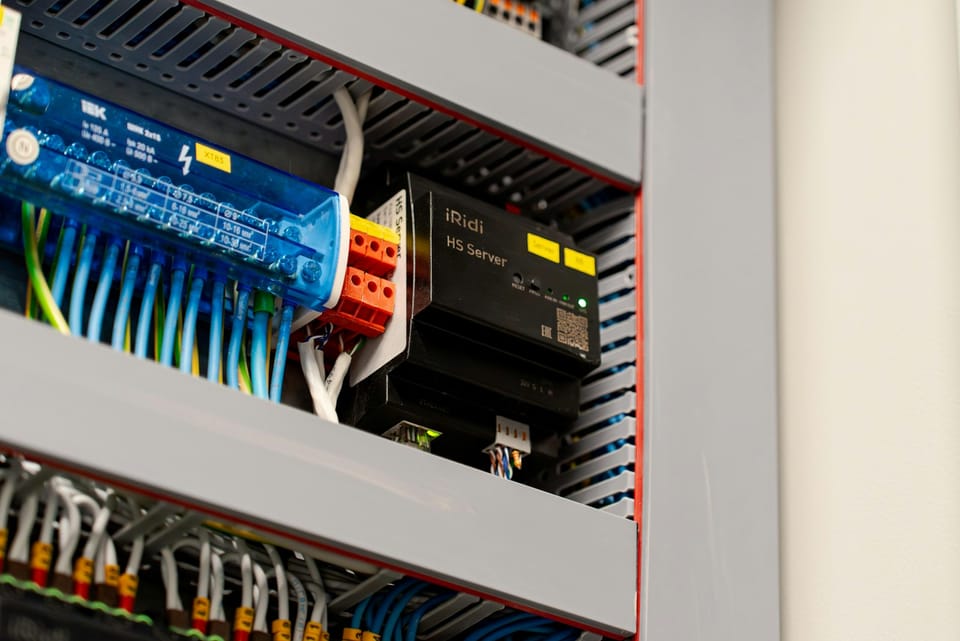
VFDs, PLC I/O modules, and sensors, cross-referenced by function and rating.

Variable frequency drives and servo drives resolve by horsepower or kW rating, input voltage, and control interface. Sensors (proximity, photoeye, limit switch) resolve by sensing range, output type, and connector style, so a substitute suggestion is checked against the actual application, not just a matching part family.
The standards this industry runs on.
Common questions from panel builders and electrical distributors.
Does Camber treat NEMA and IP ratings as directly interchangeable?
No. Camber resolves the stated rating and flags a NEMA-to-IP cross-reference as an approximation, not an exact match, since the two systems don't map one-to-one.
Can Camber verify SCCR compliance on a panel build?
Camber carries SCCR as a structured field through the quote so your team can verify it against the panel's overall rating. It doesn't perform panel-level compliance engineering.
How does Camber handle a coil voltage substitution?
Coil voltage is a distinct structured attribute. A substitute with a different coil voltage is flagged, not silently swapped in, even if every other spec matches.
Do you cover lighting and lighting controls?
Yes. Lighting and lighting controls resolve the same way: voltage, wattage, control type, and listing off the callout, matched to your catalog.
What about RoHS and REACH compliance flags?
Where a component's listing includes RoHS or REACH compliance data, that flag carries through to the quote line as a structured attribute.
Helping ensure the rated spec engineered into a control-panel component is faithfully carried through to the quote, not lost in translation between naming conventions.
Bring a real electrical RFQ and we'll walk through it together.
Book a Demo