Bringing the same process discipline to the quote desk that ISO 9001 brings to the shop floor.
Thread form, grade, finish, head style, and drive read off the callout the same way your best estimator reads it, every time.
From a raw callout to a priced quote line.
A 20-line fastener RFQ, resolved.
A mixed-spec order lands as a spreadsheet: hex cap screws, socket heads, a run of self-tapping sheet metal screws, and two lines called out only by a competitor's part number. Every line resolves to the same structured fields, so a rep isn't re-reading abbreviations line by line.
IFI, ASTM, SAE, DIN, ISO, and your customers' own part numbers.
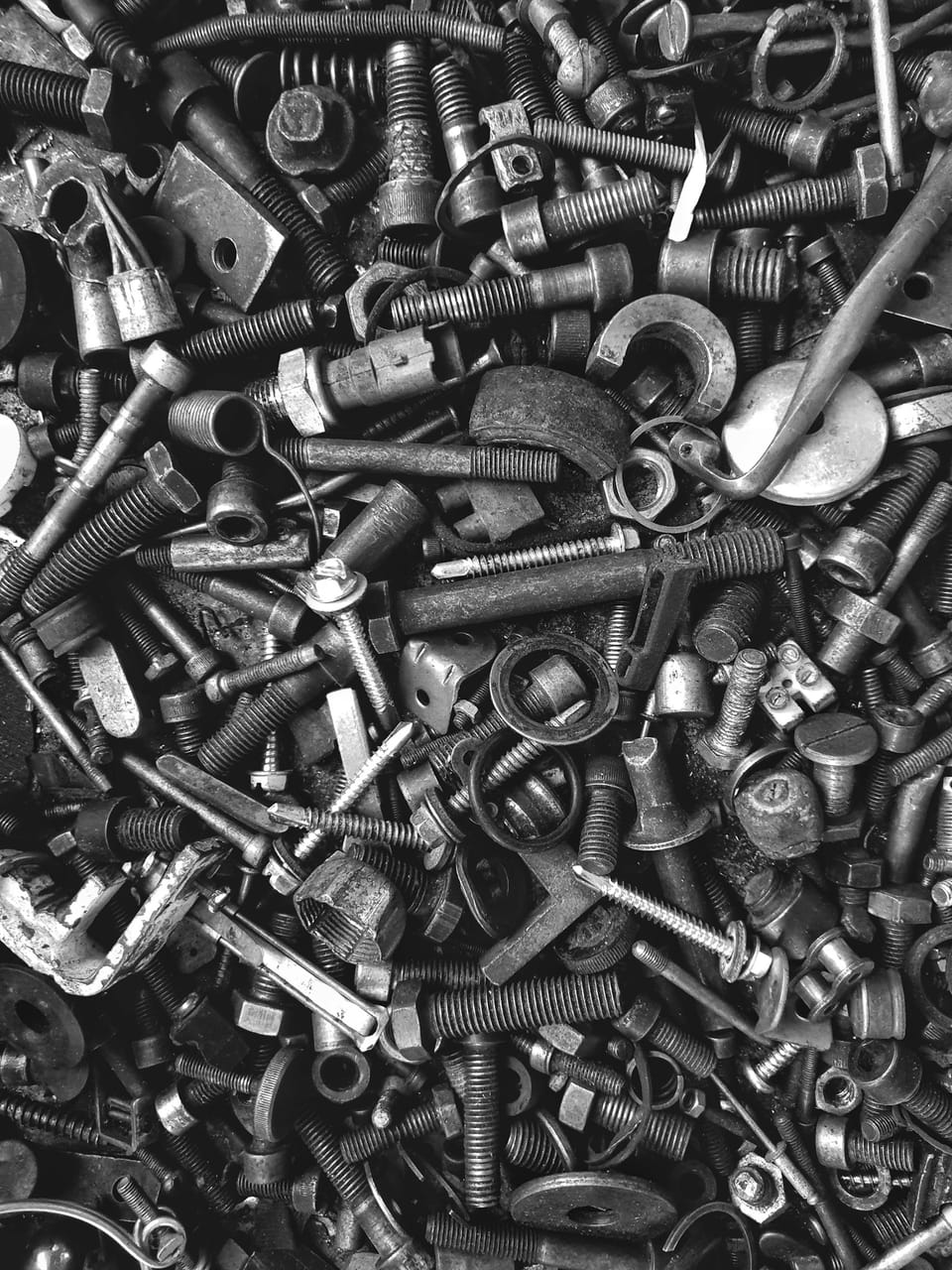
Thread form (UNC, UNF, metric coarse and fine), property class (SAE J429 grades 2/5/8, ISO 10.9/12.9), and finish callouts (zinc yellow, zinc clear, hot-dip galvanized, black oxide, Geomet) each resolve to a structured field, not a string your team re-reads on every quote.
When a customer calls out a part by another vendor's catalog number, a McMaster, Fastenal, or Bossard SKU, Camber cross-references the underlying standard rather than the vendor's numbering, so it resolves to the same structured spec as a raw thread callout would.
When steel moves, hundreds of active lines move with it.
Fastener pricing is exposed to raw material cost the way few categories are: a mill surcharge or a tariff change can move cost basis on standard-stock items overnight. Camber reprices active quotes against updated material and surcharge inputs without a rep touching each line by hand.
Margin floors hold through a repricing event. A quote that goes out the week of a surcharge change carries the same guardrails as one that goes out any other week.
NAS, MS, and AN callouts, with traceability carried through.

Aerospace and defense fastener callouts (NAS1352, MS16997, AN3 series) resolve the same way commercial callouts do: diameter, head type, material, and thread class as structured fields, cross-referenced against the aerospace standard they're drawn from.
Where a job falls under AS9100 or Nadcap, that traceability requirement carries through to the quote line instead of dropping at intake. See certifications for how Camber handles regulated traceability across the platform.
The standards this industry runs on.
Common questions from fastener distributors and manufacturers.
Does Camber handle metric and inch callouts in the same RFQ?
Yes. A mixed-spec RFQ with UNC, UNF, and metric coarse/fine threads on the same order resolves each line to its own structured attributes, no manual unit conversion required.
What happens when a customer's part number doesn't match anything in our catalog?
Camber says so and routes the line to a rep with the confidence score attached, rather than guessing at a substitute or silently dropping the line.
Can Camber price a coating or finish change?
Coating and finish are structured attributes, so a change from zinc yellow to hot-dip galvanized reprices from your own cost inputs rather than requiring a manual re-quote.
Does this replace our estimator's judgment on a substitution?
No. Camber surfaces the equivalent and its confidence score. Whether a substitute is acceptable is an engineering call your team makes, not one Camber makes for you.
How does Camber handle self-tapping and thread-forming screws?
Thread-forming, self-tapping, and self-drilling screws resolve with their own attribute set (point type, thread pitch for sheet metal, drill capacity), separate from how a machine screw is read.
What about proof load and tensile strength on structural bolts?
A449 and A325 callouts resolve with their mechanical property requirements attached, including the QA sampling differences between an A449 and an equivalent SAE grade.
Helping ensure that the value engineered into your products is faithfully carried through to the customer.
Bring a real fastener RFQ and we'll walk through it together.
Book a Demo