Cylinders, valves, and fittings, cross-referenced by spec, not just part number.
Bore, stroke, rod diameter, port type, and pressure rating read off a callout as structured fields, checked against the standard they're built to.
From a raw callout to a priced quote line.
A tie-rod cylinder callout, resolved and priced.
A customer specs a cylinder by bore, stroke, and port type without naming a part number. Camber resolves the callout into the fields a rep needs to match or quote it: bore, stroke, rod diameter, port thread, seal type, and working pressure.
SAE ORB, JIC 37° flare, NPTF, and BSPP, resolved without guesswork.
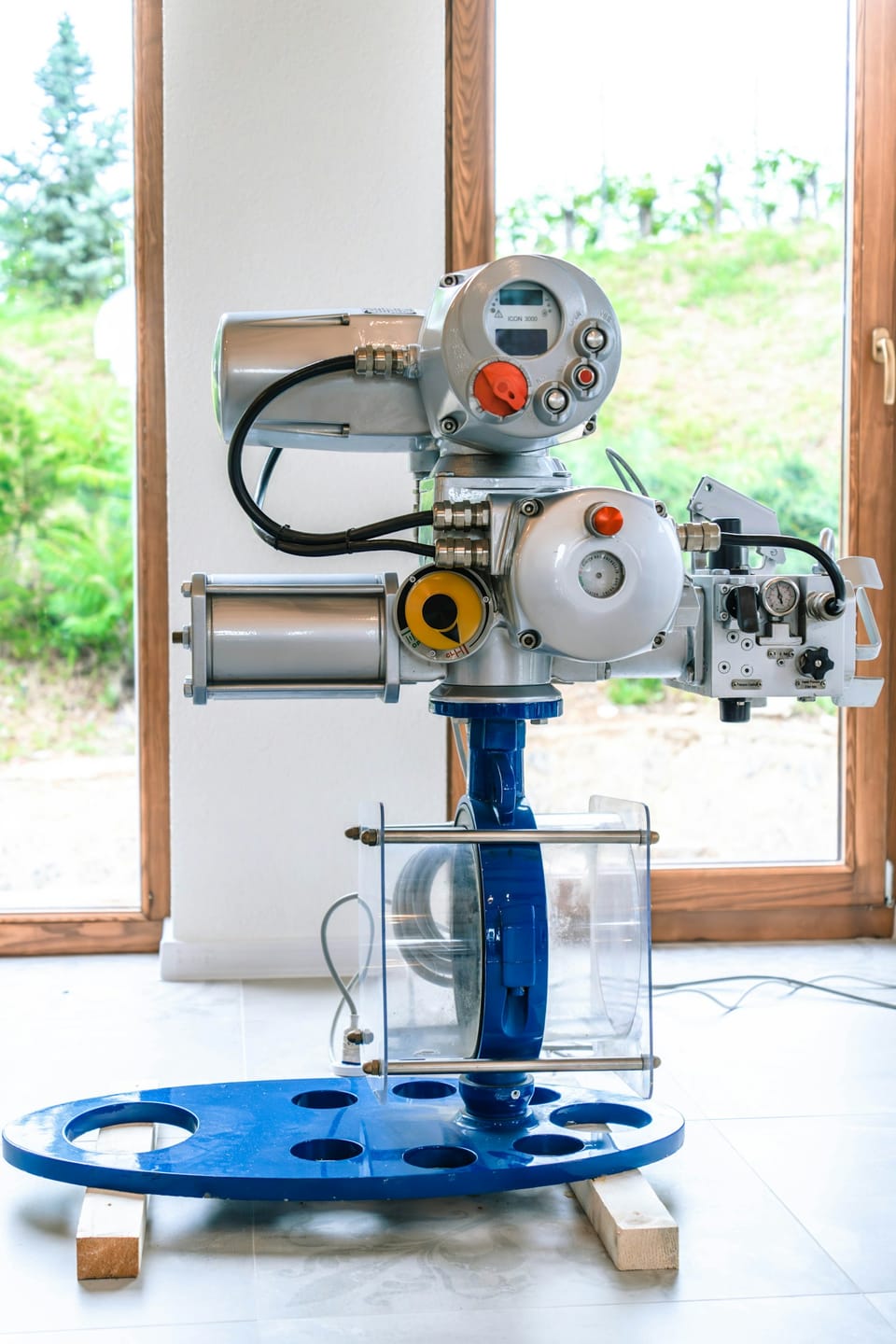
Port and fitting callouts carry real interchange risk: an SAE O-ring boss port looks similar to a JIC flare fitting on a drawing but isn't interchangeable without an adapter. Camber resolves port type, thread size, and seal style as separate structured fields so a mismatch gets caught before it's quoted, not after it's shipped.
Working pressure, burst pressure, and proof pressure are distinct ratings, not one number. Where an RFQ states only one of the three, Camber flags what's missing rather than assuming a relationship between them.
NFPA-interchangeable cylinders and directional control valves, matched to spec.
Tie-rod and welded cylinders resolve by bore, stroke, rod diameter, and mounting style, cross-referenced against NFPA interchangeable dimensions where the callout claims that standard.
Directional control valves resolve against ISO 4401 mounting patterns, so a valve callout matches by mounting interface and flow path, not just a part number that happens to look similar.
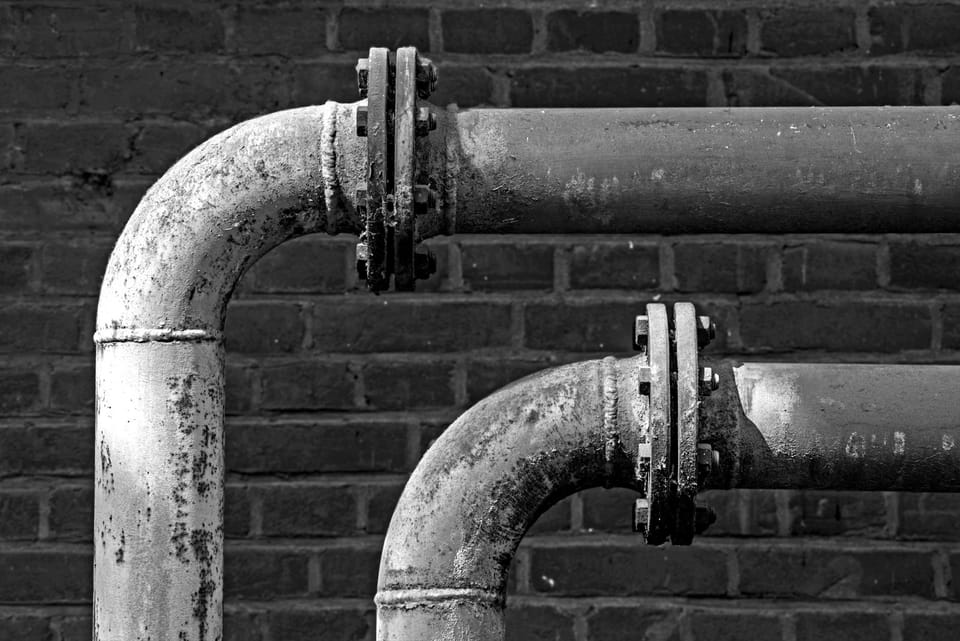
SAE 100R hose construction and fluid cleanliness codes, carried through.

Hydraulic hose assemblies resolve by SAE 100R series designation, working pressure, and fitting configuration. Where a job specifies an ISO 4406 cleanliness code, that requirement carries through to the quote line rather than getting dropped at intake.
The standards this industry runs on.
Common questions from fluid power distributors and manufacturers.
Does Camber distinguish between working, burst, and proof pressure?
Yes, each is a separate structured field. An RFQ that only states one gets flagged for the reviewer rather than having the others assumed.
Can Camber tell an SAE ORB port apart from a JIC flare on a messy callout?
Port thread type and seal style resolve as distinct attributes specifically because they're easy to conflate on a hand-written spec. Ambiguous callouts route to a rep with the ambiguity named.
Do you handle pneumatic components as well as hydraulic?
Yes. A pneumatic callout reads the same way a hydraulic one does: bore, stroke, port type, and pressure rating. Camber covers both.
What about custom or welded cylinders that aren't NFPA-interchangeable?
Camber flags a cylinder as custom-built when it doesn't match an interchangeable dimensional standard, so it's priced and quoted on its own terms rather than force-matched to a catalog line.
Does Camber handle hose crimp specs and ferrule matching?
Hose assembly callouts resolve series, size, ends, and pressure rating as structured fields, everything needed to quote the assembly. Crimp settings and ferrule choice come off your crimper's chart for the exact hose and fitting in hand.
Helping ensure the pressure, flow, and interchange requirements engineered into a fluid power spec are faithfully carried through to the quote.
Bring a real fluid power RFQ and we'll walk through it together.
Book a Demo