Gauge, insulation, and shielding specs, read and priced automatically.
AWG size, conductor stranding, insulation type, and voltage rating read off a callout as structured fields, checked against the listing it claims.
From a raw callout to a priced quote line.
A panel-shop wire order, resolved conductor by conductor.
A panel-shop RFQ lists conductors by gauge and insulation type, with shielding requirements described in a note rather than a standard callout. Camber resolves gauge, stranding, insulation, and voltage rating as structured fields, and flags the shielding note for confirmation.
AWG size and conductor stranding, resolved separately from insulation type.
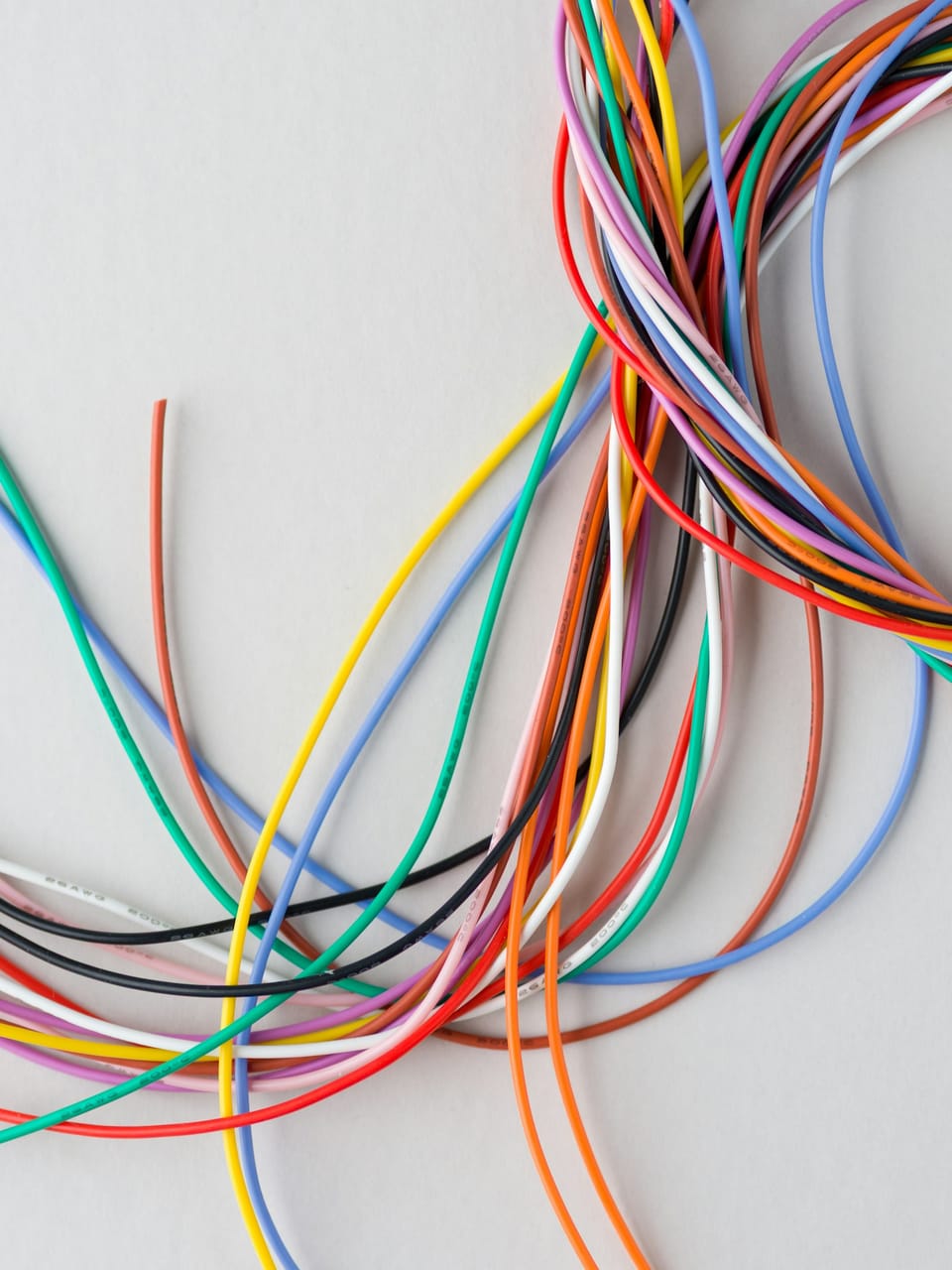
AWG size determines conductor cross-section; stranding (solid, 7-strand, 19-strand) determines flexibility and termination method. Both resolve as separate structured fields, since a customer's callout sometimes states one and implies the other, and Camber flags the gap instead of assuming.
Ampacity depends on insulation temperature rating and installation method (conduit fill, free air, cable tray), not gauge alone. Where an RFQ specifies an installation method, that context carries through to help confirm the right conductor.
THHN, XHHW, XLPE, and jacket material, matched to the listing claimed.
Insulation type (THHN, THWN-2, XHHW, XLPE) and jacket material each resolve as structured fields, cross-referenced against the UL or CSA listing the callout claims. A flame rating (VW-1, FT4, CMP for plenum, CMR for riser) is tracked separately, since it governs where the cable can legally be installed.
600V, 1kV, 5kV, and 15kV cable, resolved with shielding requirements intact.
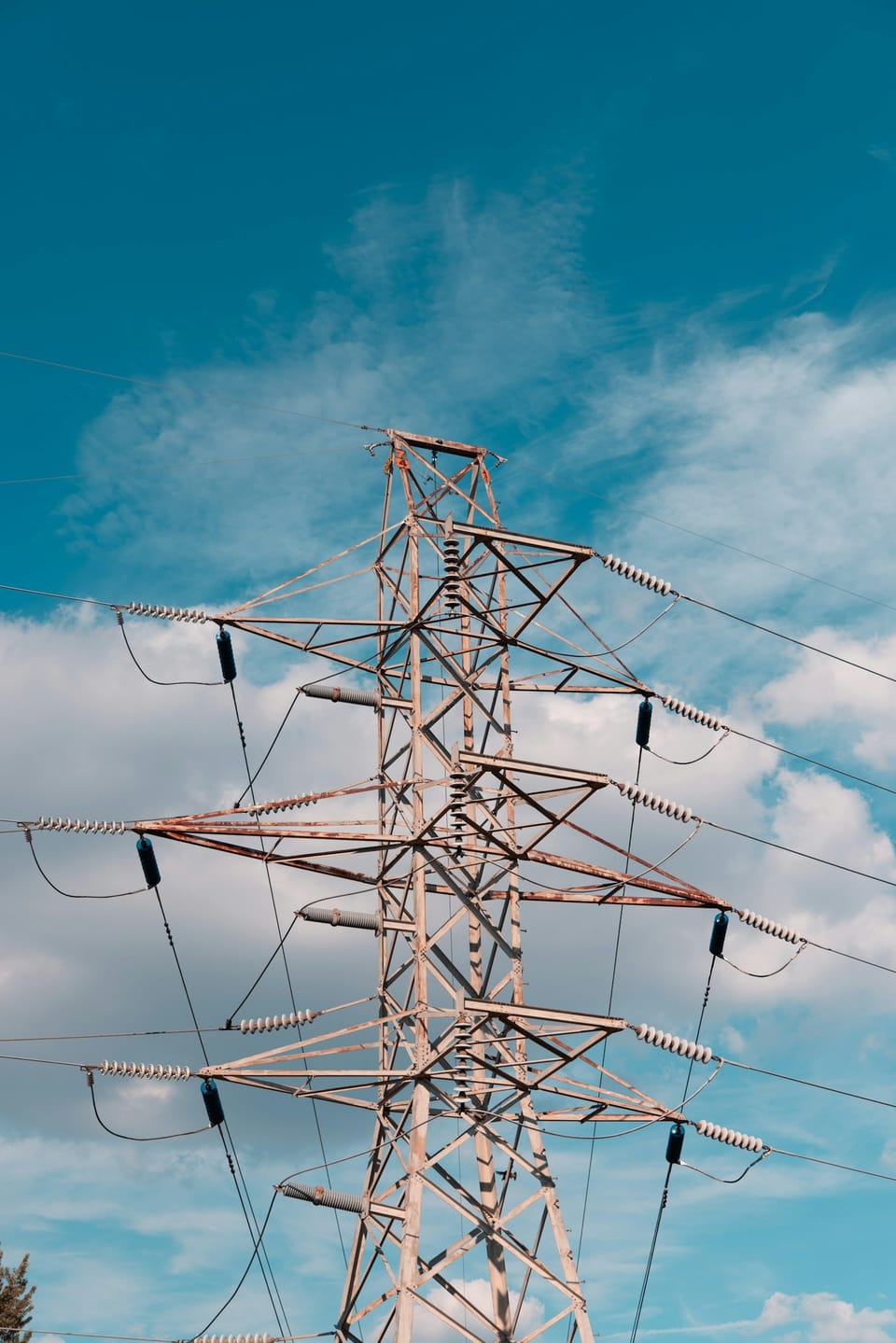
Voltage rating and shielding construction (foil, braid, unshielded) resolve as structured fields, cross-referenced against ICEA construction standards. A medium-voltage callout (5kV, 15kV) is never silently treated as a scaled-up version of a 600V spec.
The standards this industry runs on.
Common questions from wire and cable distributors and manufacturers.
Does Camber distinguish AWG gauge from conductor stranding?
Yes, both are separate structured fields. A callout that states gauge but not stranding gets flagged so a rep confirms the flexibility and termination requirement before quoting.
How does Camber handle plenum and riser ratings?
Flame and smoke rating (CMP, CMR, and equivalents) is tracked as its own structured field, since it determines where the cable is legally permitted to be installed, separate from voltage or insulation type.
Can Camber resolve a cable spec that only gives a customer's internal part number?
Camber cross-references the underlying standard (UL, ICEA, NEC) behind a customer's part number where the number encodes recognizable attributes, and flags what it can't confirm.
Do you cover fiber optic cable?
Yes. Fiber callouts carry their own attribute set (core size, mode, connector type) and resolve the same way copper does.
What about medium-voltage cable above 15kV?
Medium-voltage cable up to 15kV is covered. Higher voltage classes are flagged for engineering review rather than auto-resolved.
Helping ensure the gauge, insulation, and rating requirements engineered into a cable spec are faithfully carried through to the quote.
Bring a real wire and cable RFQ and we'll walk through it together.
Book a Demo